Most Common Foot and Ankle Conditions Treated by Podiatry Physicians
Foot and ankle problems are more common than most people think. Millions of Americans deal with pain, swelling, or limited movement in their feet every year. Podiatry physicians are trained specialists who diagnose, treat, and help prevent these conditions, keeping people on their feet and living their lives fully. Whether you are dealing with a sports injury, a chronic condition, or something that just started bothering you, understanding what podiatry physicians treat can help you make informed decisions about your health. This guide covers the most common conditions treated, when to seek care, and why location matters for residents in and around Geneva, IL.
What Podiatry Physicians Actually Do
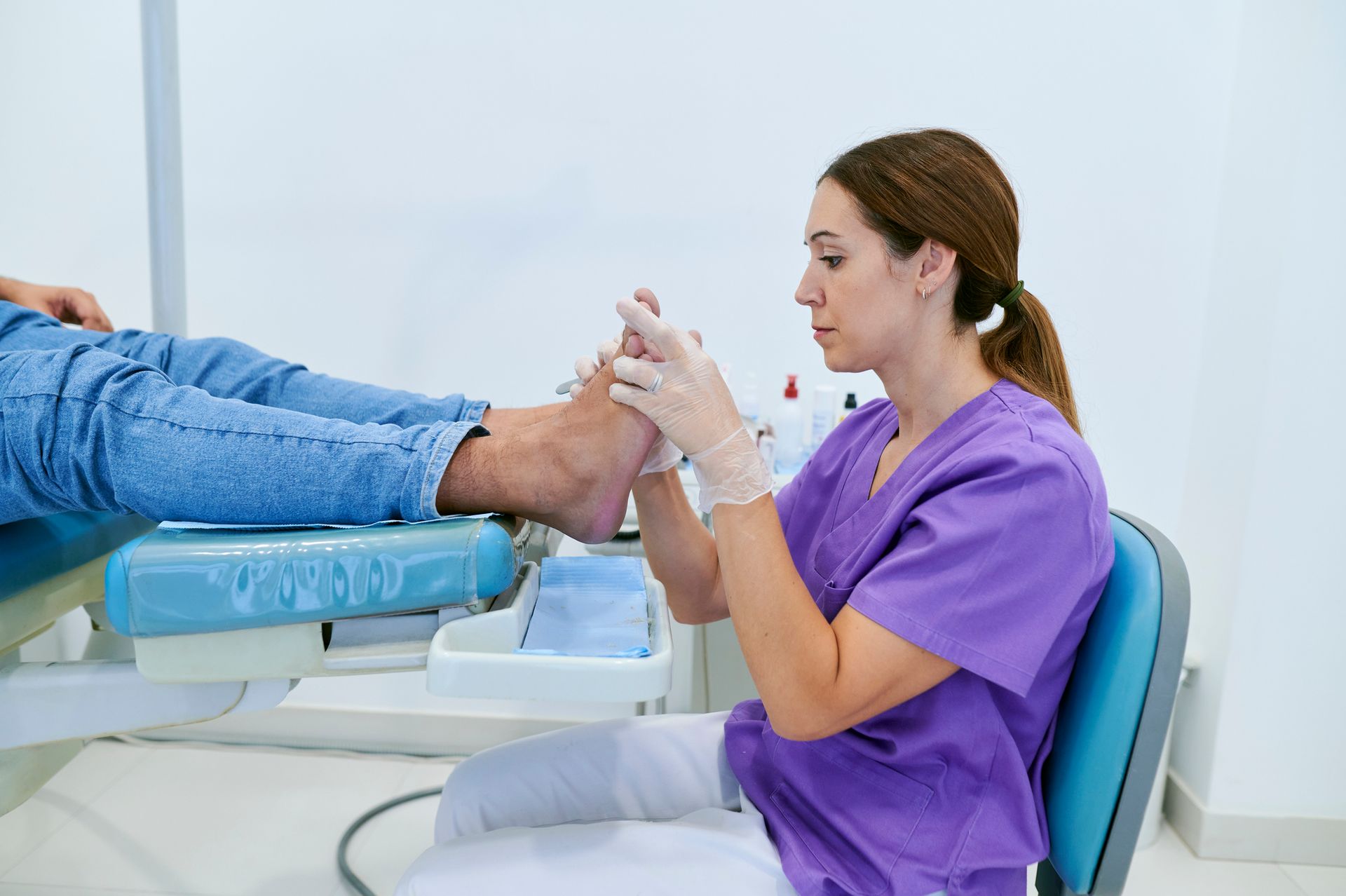
A podiatrist is a medical specialist focused entirely on the health of the foot, ankle, and lower leg. These professionals complete medical school and a residency program, and many go on to earn board certification in surgery or other areas of advanced practice.
Podiatry physicians use tools like X-rays, diagnostic imaging, and in-office testing to accurately identify what is wrong. Treatment options range from simple conservative care to minor procedures and full surgical intervention. Their training covers bones, joints, muscles, nerves, skin, and circulation in the lower extremities.
The Most Common Foot and Ankle Conditions
Plantar Fasciitis and Heel Pain
Plantar fasciitis is one of the most frequently seen conditions in any podiatry office. It involves inflammation of the thick band of tissue that runs along the bottom of the foot, connecting the heel to the toes. The result is sharp, stabbing heel pain that is often worse in the morning or after periods of rest.
Podiatry physicians treat plantar fasciitis with a range of options, including custom orthotics, stretching plans, physical therapy, and anti-inflammatory treatments. When caught early, most patients respond well to conservative care.
Ingrown Toenails
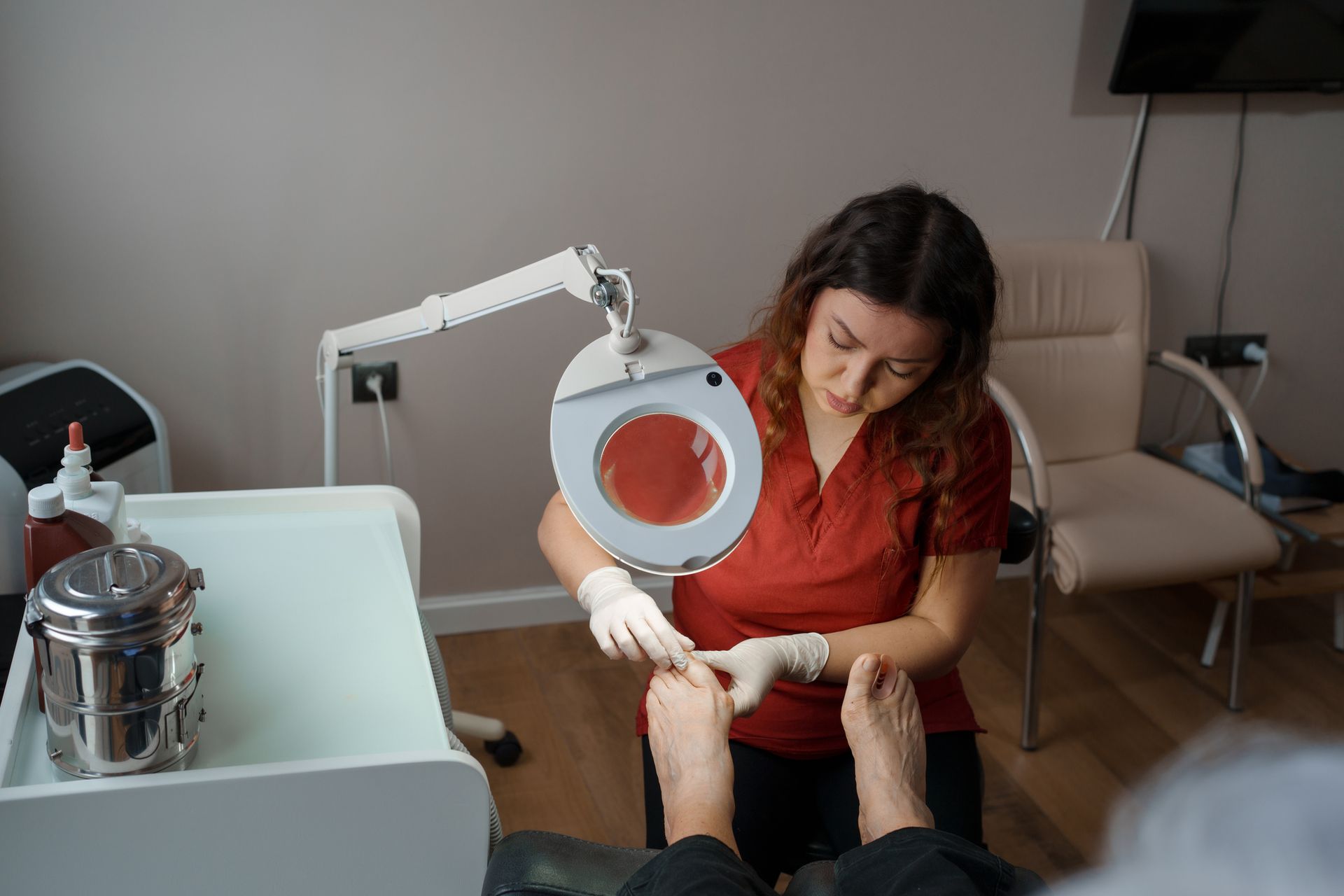
An ingrown toenail occurs when the edge of a nail grows into the surrounding skin rather than over it. This can cause redness, swelling, and significant pain, and it can become infected if left alone. People of all ages experience ingrown toenails, from children to older adults.
Podiatry physicians can provide quick, in-office relief. For mild cases, conservative trimming and soaking may be enough. For recurring or infected cases, a minor procedure can permanently correct the problem.
Bunions
A bunion is a bony bump that forms at the base of the big toe. It develops when the big toe pushes against the next toe, forcing the joint out of alignment. Bunions can cause significant pain, make it hard to find comfortable shoes, and lead to walking problems over time.
Hammertoe and Other Toe Deformities
Hammertoe is a condition where one or more toes bend abnormally at the middle joint, causing a hammer-like appearance. This can make walking painful and lead to calluses or corns where the toe rubs against footwear. Ill-fitting shoes are a common contributing factor.
Ankle Sprains and Instability
Ankle sprains are one of the most common sports injuries, but they are not just a problem for athletes. A simple misstep, an uneven sidewalk, or a fall can cause a sprain at any age. When ligaments are stretched or torn, pain, bruising, and swelling quickly follow.
Seeing podiatry physicians after an ankle sprain is important. Without proper care, ligaments may heal incorrectly, leading to chronic ankle instability.
Diabetic Foot Conditions
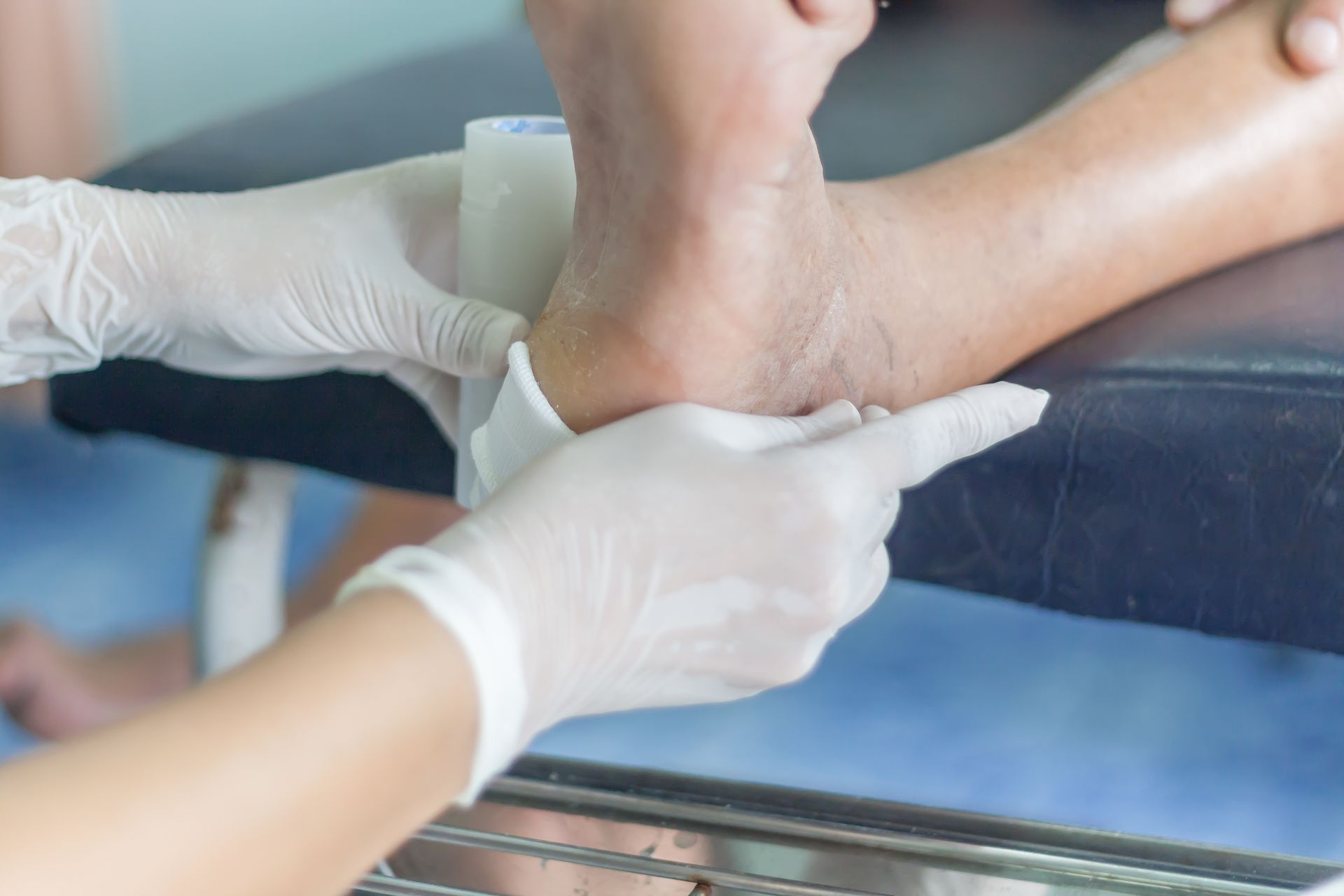
People with diabetes face a unique set of foot health challenges. Poor circulation and nerve damage, called neuropathy, can reduce feeling in the feet. Small cuts, blisters, or sores may go unnoticed and develop into serious wounds that are slow to heal.
Regular care from podiatry physicians is a critical part of diabetes management. Routine exams help catch problems early, before they escalate into infections or complications that could require hospitalization. For residents in the Geneva, IL area, having a nearby specialist for diabetic foot care can make a meaningful difference in long-term outcomes.
Flat Feet and Arch Problems
Some people are born with flat feet, while others develop fallen arches over time due to aging, weight changes, or injury. Flat feet can cause pain in the heels, arches, ankles, and even the knees and back because the entire lower body alignment is affected.
Custom orthotics prescribed by podiatry physicians can provide targeted support and dramatically reduce pain. In more complex cases, physical therapy or surgical options may be discussed. Addressing arch issues early helps prevent downstream problems in the knees, hips, and spine.
Fungal Nail Infections and Skin Conditions
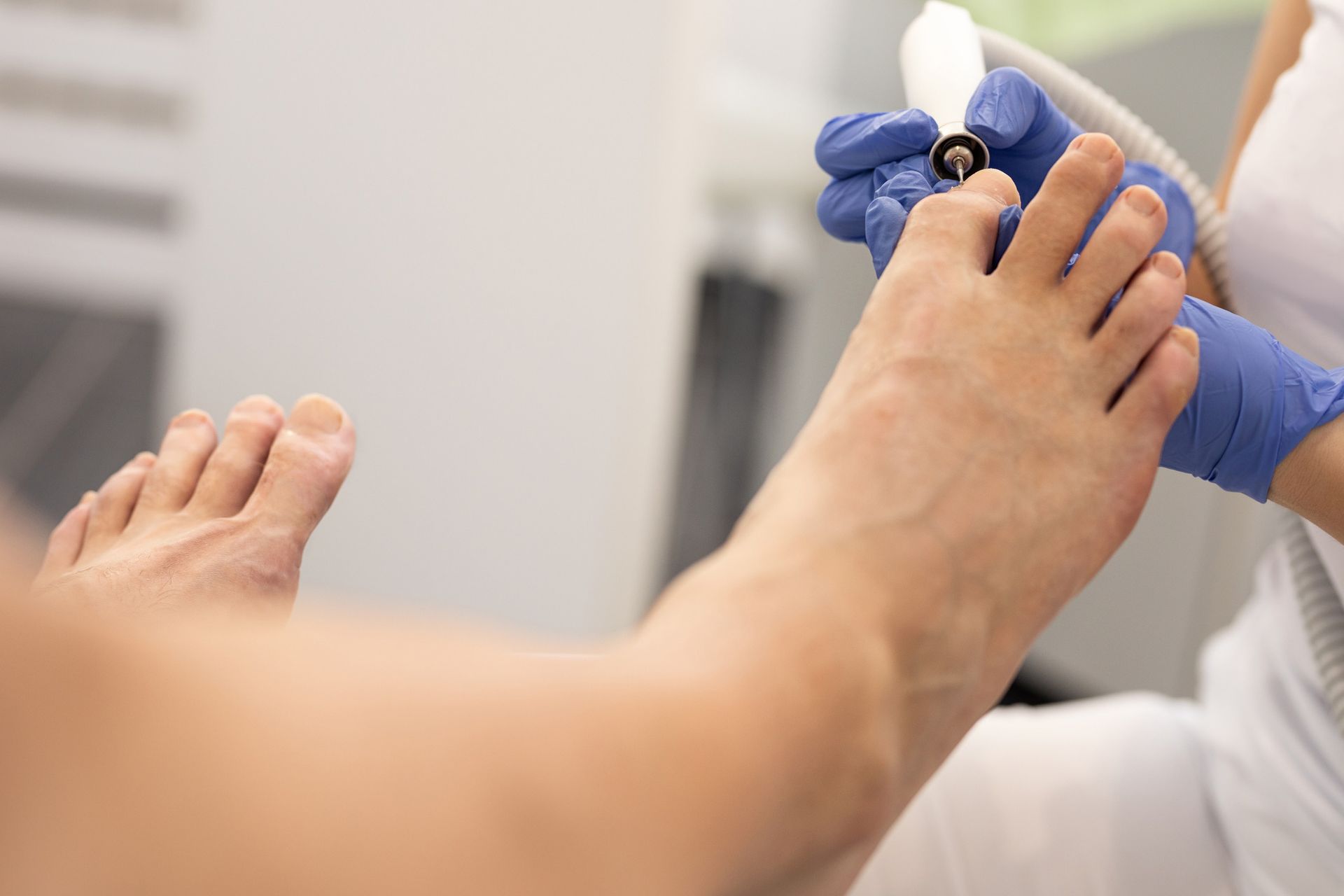
Thickened, discolored, or brittle nails are often a sign of a fungal infection. Athlete's foot, warts, and calluses are also common skin issues that podiatry physicians diagnose and treat. These conditions are not just cosmetic concerns; they can be painful and spread if not addressed.
Treatment options range from topical and oral medications to in-office procedures. Getting an accurate diagnosis is important because not all nail or skin changes have the same cause, and the wrong treatment simply will not work.
When to See a Podiatrist vs. Waiting It Out
Many people make the mistake of ignoring foot and ankle symptoms, hoping the pain will go away on its own. While minor soreness after extra activity is normal, certain signs point to the need for professional evaluation:
- Persistent pain lasting more than a week or two.
- Swelling that does not improve with rest and ice.
- Numbness, tingling, or burning sensations in the foot or ankle.
- Open sores, wounds, or skin changes that are slow to heal.
- Changes in how you walk or difficulty putting weight on your foot.
- Any foot or ankle concern if you have diabetes, poor circulation, or nerve issues.
Choosing a podiatrist near your home makes it easier to follow through with appointments and follow-up care.
Preventative Foot Care and Early Intervention
Taking care of your feet before problems develop is always easier than treating a condition that has been ignored for months or years.
Here are practical preventative steps that podiatry physicians commonly recommend:
- Wear properly fitted shoes that support your arch and cushion your heel.
- Inspect your feet regularly, especially if you have diabetes or circulation issues.
- Stretch your calves and feet daily, particularly before and after physical activity.
- Keep toenails trimmed straight across to prevent ingrown nails.
- Change socks and shoes regularly to reduce the risk of fungal infections.
- See a foot specialist at least once a year if you are an athlete, a senior, or managing a chronic health condition.
Why Choosing a Nearby Specialist Improves Your Outcomes
When you need ongoing care, distance matters. Follow-up visits, physical therapy referrals, and prescription adjustments are all easier to manage when your specialist is nearby. People who see local providers tend to keep appointments more consistently, which leads to faster recovery and fewer complications.
For residents of Geneva, IL, having access to qualified
podiatry services just a short drive away means you do not have to delay care or travel far for the help you need. Whether it is a routine checkup, a same-week urgent visit, or surgical follow-up, convenience plays a real role in better health outcomes.

Taking the Next Step Toward Healthier Feet
If any of the conditions in this article sound familiar, the most important thing you can do is act. Foot and ankle problems rarely get better by being ignored. The earlier a podiatrist evaluates your symptoms, the more treatment options you will have available. St. Charles Podiatry Associates has been serving patients in the Fox Valley area, including Geneva, IL, for decades. To schedule an appointment or ask a question, contact the office online, or visit St. Charles Podiatry Associates on Google to read reviews and get directions.